Prefer to view the formatted PDF? Click below.
Download the Full White Paper (PDF) ↓A ClinCapture Captivate® Community White Paper honoring the clinical data managers who keep clinical research accurate, compliant, and reliable.
Introduction
In the vast and complex landscape of clinical trials, amidst the groundbreaking discoveries and life-saving treatments, exists a group of unsung heroes: clinical data managers (CDMs). Many of whom have over two decades of experience under their belts, these seasoned professionals are the backbone of the clinical research industry, ensuring that every data point is accurate, compliant, and reliable. But behind their expertise lies a story of hidden struggles, frustrations, and unspoken challenges. In this comprehensive white paper, we delve deep into the day-to-day realities faced by CDMs and shine a spotlight on the obstacles they encounter in their quest for data integrity and trial success.
The Burden of Manual Data Management
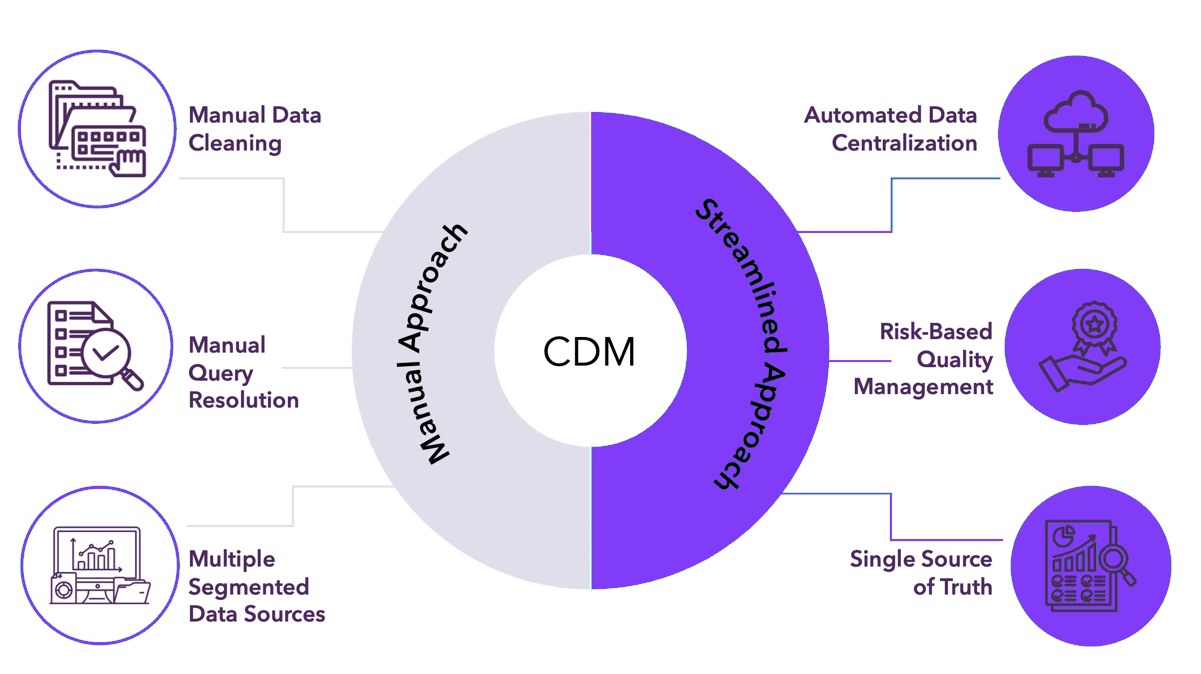
For CDMs, the relentless cycle of manual data entry and management is a never-ending battle. According to a survey conducted by the Society for Clinical Data Management (SCDM), 76% of clinical data managers reported spending more than half of their time on manual data entry tasks. From transcribing handwritten notes to reconciling discrepancies across multiple datasets, the sheer volume of manual work leaves little time for strategic thinking or innovation. In the age of digital transformation, where technology has revolutionized countless industries, CDMs find themselves mired in a sea of paperwork and outdated processes. The frustration of spending hours on mind-numbing tasks that could easily be automated weighs heavily on their shoulders, stifling creativity and hindering progress.
In recent years, the advancement of eClinical systems has offered a glimmer of hope for CDMs drowning in manual data entry tasks. However, the true potential of these systems to alleviate the burden of manual data management lies in empowering CDMs with the ability to choose the systems that best suit their needs. Instead of being limited to the default systems chosen by higher-ups, organizations should opt to give CDMs the power to identify and implement systems that align closely with their specific study requirements and preferences. With greater autonomy and input in the selection process, CDMs can harness the full power of eClinical systems to streamline data capture, management, and analysis, freeing up valuable time and minimizing the risk of errors.
When organizations prioritize the needs and preferences of CDMs in choosing eClinical systems, they pave the way for a more efficient, productive, and empowered workforce in the clinical research industry.
Navigating Regulatory Complexity
The world of clinical research is governed by a complex web of regulations and guidelines, from FDA requirements to international standards. According to a report by the Tufts Center for the Study of Drug Development, the average cost of regulatory compliance for a single clinical trial increased by 30% between 2008 and 2019. CDMs must stay abreast of ever-changing regulations, juggling compliance concerns alongside their day-to-day responsibilities. Each new regulatory update brings fresh challenges and uncertainties, requiring CDMs to adapt quickly and ensure that their data management practices remain compliant. Navigating this regulatory minefield requires not only expertise and attention to detail but also a deep understanding of the broader regulatory landscape and its implications for clinical trial operations.
The complexity of regulatory requirements in clinical research can exacerbate burnout rates among CDMs, placing significant strain on their mental and emotional well-being. Organizations must recognize the challenges faced by CDMs in navigating regulatory complexity and implement strategies to support their workload management, promote work-life balance, and mitigate the risk of burnout. By fostering a supportive work environment and providing resources for professional development and stress management, organizations can empower CDMs to navigate regulatory challenges effectively while safeguarding their overall health and well-being.
Data Quality and Integrity: The Holy Grail of Clinical Trials
Ensuring the quality and integrity of trial data is paramount, yet it remains one of the greatest challenges faced by CDMs. According to a study published in the Journal of Clinical Oncology, data errors occur in approximately 20% of clinical trials, with the potential to impact patient safety and trial outcomes. From identifying outliers to resolving discrepancies, maintaining data accuracy requires painstaking attention to detail and a keen eye for potential errors. In an era where data-driven decision-making is king, the stakes have never been higher for CDMs. A single error or oversight could jeopardize the integrity of an entire trial, leading to costly delays, regulatory scrutiny, and even reputational damage for sponsors and CROs. The pressure to deliver flawless data drives CDMs to tirelessly scrutinize every data point, leaving no stone unturned in their quest for perfection.
eClinical systems streamline data collection, management, and analysis in clinical trials, bolstering data quality and integrity. Real-time validation checks, automated edit checks, and automated electronic data capture from multiple sources can minimize errors and ensure compliance. Additionally, eClinical systems maintain audit trails and integrate with external data sources, further enhancing data accuracy and completeness. These systems help empower clinical data managers to uphold the highest standards of data integrity throughout the trial process.
Time Constraints: Racing Against the Clock
In the fast-paced world of clinical trials, time is of the essence. CDMs must navigate tight deadlines, shifting priorities, and competing demands, all while maintaining the highest standards of data quality and integrity. According to a survey conducted by the Clinical Data Interchange Standards Consortium (CDISC), 65% of CDMs reported feeling overwhelmed by the volume of work and tight deadlines. The relentless pressure to deliver results can take a toll on even the most seasoned professionals, leading to burnout, stress, and diminished morale. Despite their best efforts to stay ahead of the curve, CDMs often find themselves struggling to keep pace with the ever-accelerating timeline of clinical trial operations. The constant race against the clock leaves little room for error or delay, forcing CDMs to make difficult decisions and sacrifices in order to meet project milestones and deliverables.
Resource Limitations: Doing More with Less
Despite their expertise, CDMs often find themselves grappling with limited resources, whether it’s budget constraints, staffing shortages, or outdated technology. According to a report by the Association of Clinical Research Professionals (ACRP), 80% of CDMs reported feeling understaffed, with the majority citing lack of resources as a significant barrier to success. Balancing competing priorities and maximizing efficiency in the face of resource limitations requires creativity, resilience, and a healthy dose of perseverance. CDMs are accustomed to making the most of what they have, leveraging their experience and ingenuity to overcome obstacles and deliver results against all odds. However, the persistent struggle to do more with less can take a toll on morale and productivity, leaving CDMs feeling overwhelmed and undervalued in their roles.
It is crucial for every organization’s upper management to consider the tools they provide to their CDMs, especially when it comes to eClinical systems. Decision-makers should prioritize functionality over brand recognition. Many CDMs are bound by their organization’s default platforms that often come with significant costs and implementation challenges, which can strain budgets and lead to unnecessary hassles for clinical data managers. It is advisable to upper management to carefully evaluate the specific requirements of the study and allow CDMs to explore alternatives that align closely with their needs. By prioritizing functionality and suitability, organizations can ensure that CDMs have the tools and resources they need to succeed without unnecessary financial burden or implementation complexities.
Navigating the Path Forward
In the face of these challenges, seasoned CDMs are constantly seeking solutions to streamline their workflows, enhance data quality, and alleviate the burdens of regulatory compliance and tight deadlines. While technology undoubtedly plays a crucial role in this endeavor, it’s clear that the challenges faced by CDMs extend far beyond the realm of software and tools. By addressing the underlying issues and providing support in key areas such as training, resource allocation, and process optimization, organizations can empower CDMs to overcome these challenges and thrive in their roles. By investing in the professional development and well-being of CDMs, organizations can cultivate a culture of excellence and innovation that drives success in clinical trial operations.
Conclusion
As the unsung heroes of clinical research, seasoned CDMs play a vital role in ensuring the success of clinical trials and the advancement of medical science. Despite the myriad challenges they face, from manual data entry to regulatory compliance, their dedication and expertise continue to drive progress in the field. By shedding light on the struggles of CDMs and advocating for solutions that address their needs, we can support these invaluable professionals in their quest for data integrity and trial success. Together, we can empower CDMs to overcome obstacles, embrace innovation, and make a lasting impact on the future of healthcare.
On behalf of ClinCapture and the entire clinical research industry, we extend our heartfelt gratitude to clinical data managers for their tireless dedication, unwavering commitment, and invaluable contributions to advancing medical knowledge and improving patient outcomes. Your expertise, professionalism, and passion inspire us all to strive for excellence and innovation in the pursuit of better health for all. Thank you for all that you do.
References
- Society for Clinical Data Management (SCDM). (2023). Clinical Data Management Survey.
- Tufts Center for the Study of Drug Development. (2021). Cost of Clinical Trials.
- Journal of Clinical Oncology. (2020). Study on Data Errors in Clinical Trials.
- Clinical Data Interchange Standards Consortium (CDISC). (2022). Survey on Clinical Data Management.
- Association of Clinical Research Professionals (ACRP). (2024). Clinical Data Manager Workforce Report.
About ClinCapture, Inc.
ClinCapture is revolutionizing the clinical trial industry with its Captivate® eSource Platform and eClinical products including Electronic Data Capture (EDC) for traditional trials and Virtual Data Capture® (VDC®), a leading-edge suite of products designed to expedite remote and decentralized clinical trials. ClinCapture’s eClinical products enable sponsors and CROs to rapidly build and deploy studies, lower clinical trial costs, and streamline data capture processes. ClinCapture’s technologies help advance the evaluation and development of drugs, biologics, and devices that demonstrate promise for the diagnosis and/or treatment of a wide range of diseases or medical conditions. Learn more at www.clincapture.com.
Prefer to view the formatted PDF? Click below.
Download the Full White Paper (PDF) ↓